

What we do
The five services.
Five ways we help governments, development agencies and the private sector design, run, digitise and evaluate social programmes.
01 · 9 assignments
Design and implement social impact programmes
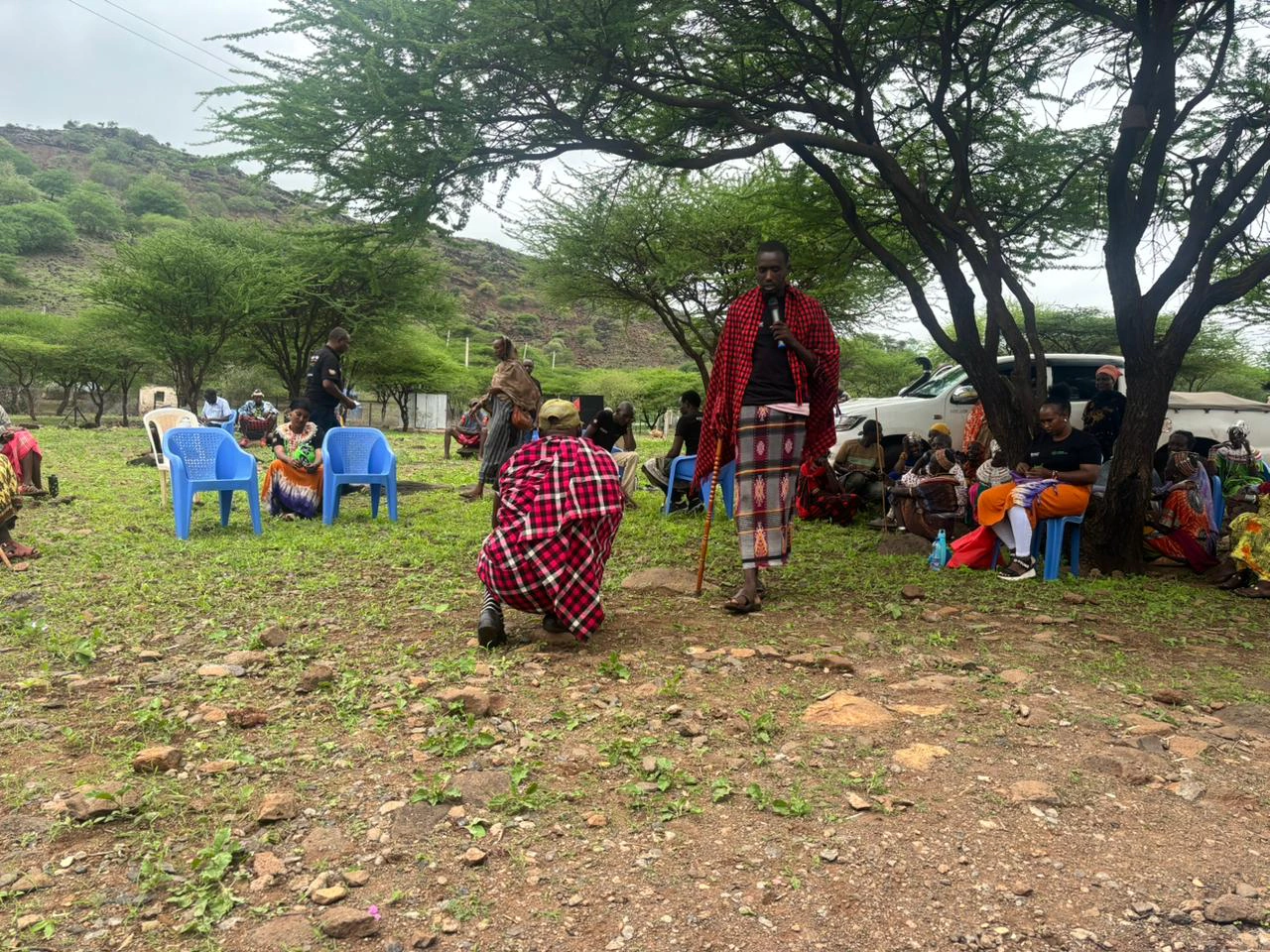
We help clients clearly define the thinking behind their programmes and operations. This forms the foundation for designing high impact interventions. We also support them in developing practical strategies and innovative solutions that accelerate their contribution to the reduction of global poverty.
CHASP uses a continuous design, evaluate, and redesign approach rather than a linear one. This allows clients to regularly test and update their Theories of Change and underlying assumptions as circumstances change.
Our footprint
- Design of the Kenya Social and Economic Inclusion Programme (KSEIP II)
- Revision of the Hunger Safety Net Programme (HSNP) Operations Manual
- Development of NICHE Programme operational manuals and costed work plans
02 · 6 assignments
Build digital solutions for programme management
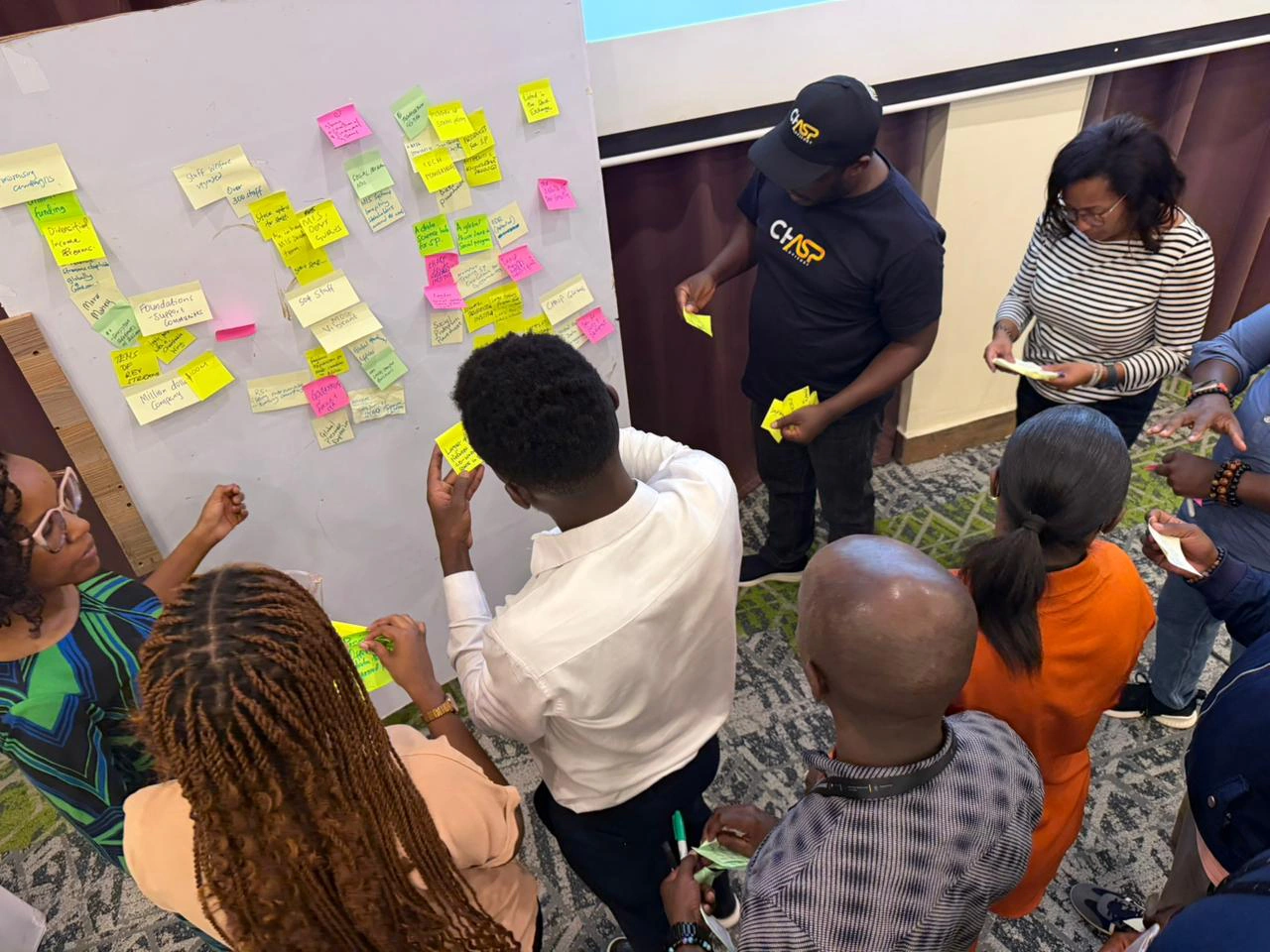
Data is useful when people can easily access, understand, and use it. We create customised digital tools that help partners organize, visualize, and analyze their data. Our solutions include:
- Management Information Systems (MIS). Tailored systems that improve data management, simplify reporting, and support more efficient operations.
- Database development. Secure and reliable databases that make it easier to store, organize, and manage large amounts of information.
- Interactive dashboards. Easy-to-use visual tools that provide real-time information, helping decision-makers track progress and quickly identify trends.
By combining technical expertise with a deep understanding of organizational needs and contextual realities, we create solutions that simplify complex data, subsequently making it easy to make evidence-based decisions.
03 · 11 assignments
Develop social protection strategies and policies
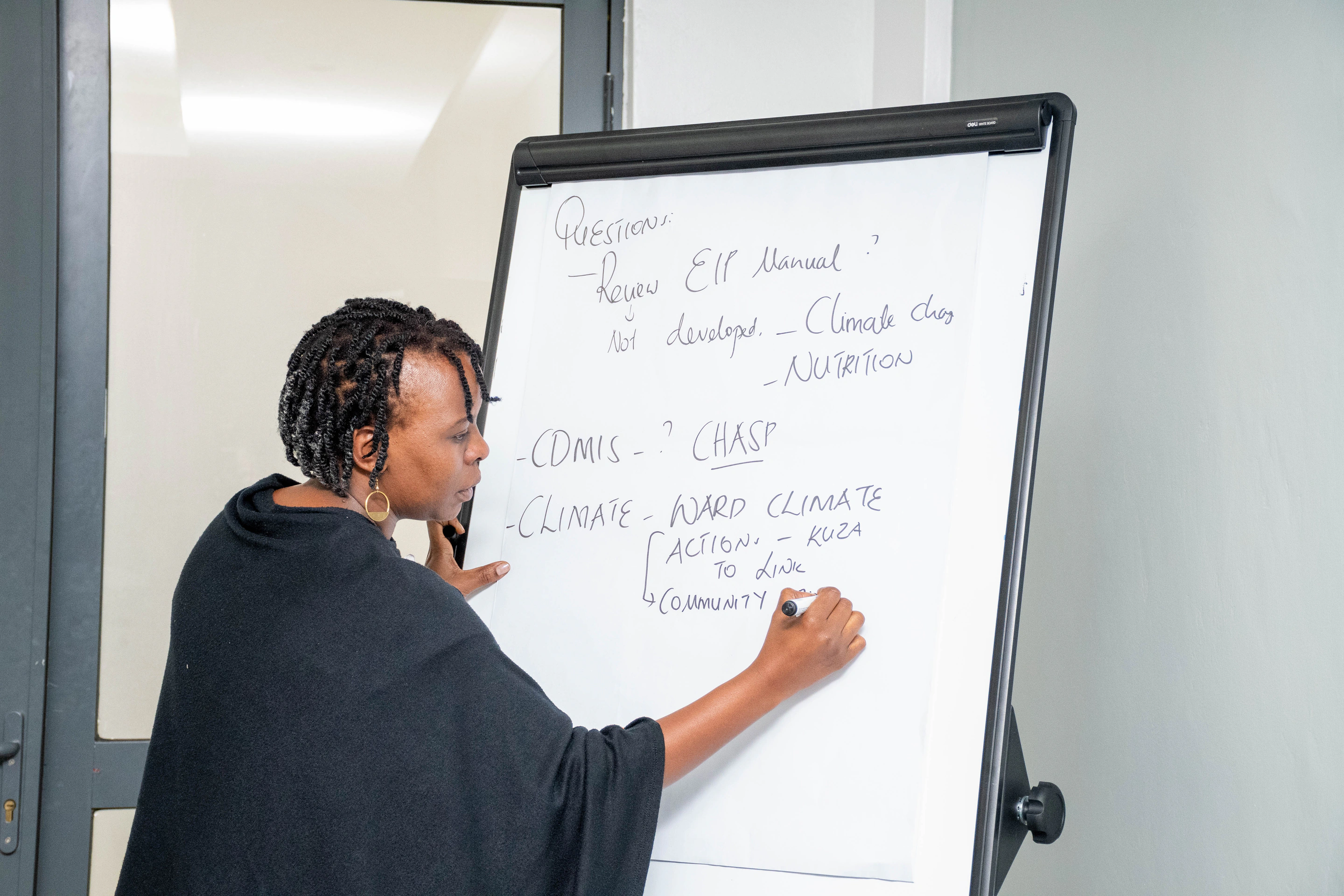
We help develop strategies and policies that strengthen social protection systems and guide sector-wide reforms. We work with governments and partners to assess the changing needs of populations and transform available data into practical policies that guide delivery and expansion of social protection initiatives.
04 · 3 assignments
The Institute for Social Policy
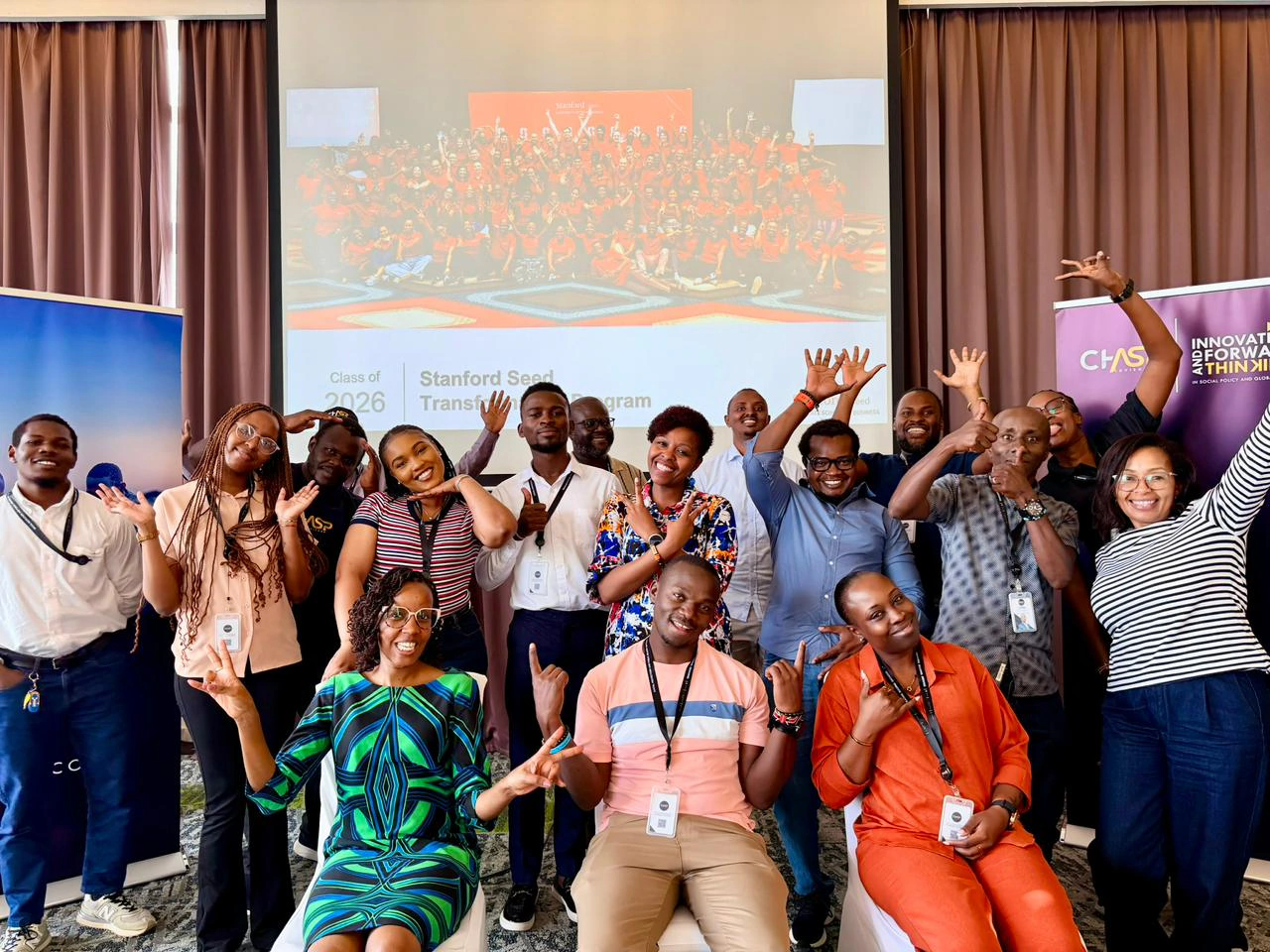
The Institute supports the growth and career development of professionals in the social policy sector across Africa. Over the years, we have continued to grow and innovate, providing tailored learning opportunities through digital learning platforms, in-person training, networking, and engagement with leading programmes in the region.
The Institute brings learning, knowledge, community, and research together through four connected pillars. Training develops practical skills grounded in real-world challenges; the Knowledge Hub provides access to tools, evidence, publications, and shared learning; Jamii House connects learners, alumni, and sector experts through lectures, podcasts, conferences, and professional dialogue; and the Social Research Centre generates new evidence and creates opportunities for learners to contribute to research.
Together, these pillars ensure that professionals do more than complete a course: they gain knowledge, join a community, strengthen their practice, and help shape the future of social policy in Africa.
Our footprint
- Urban Governance and Leadership Training under the SUED Programme
- Capacity strengthening for Ministry of Labor and Social Affairs (MOLSA) staff
- Training county government staff on inclusive social protection programme implementation under NICHE Programme
05 · 23 assignments
Managing programme performance
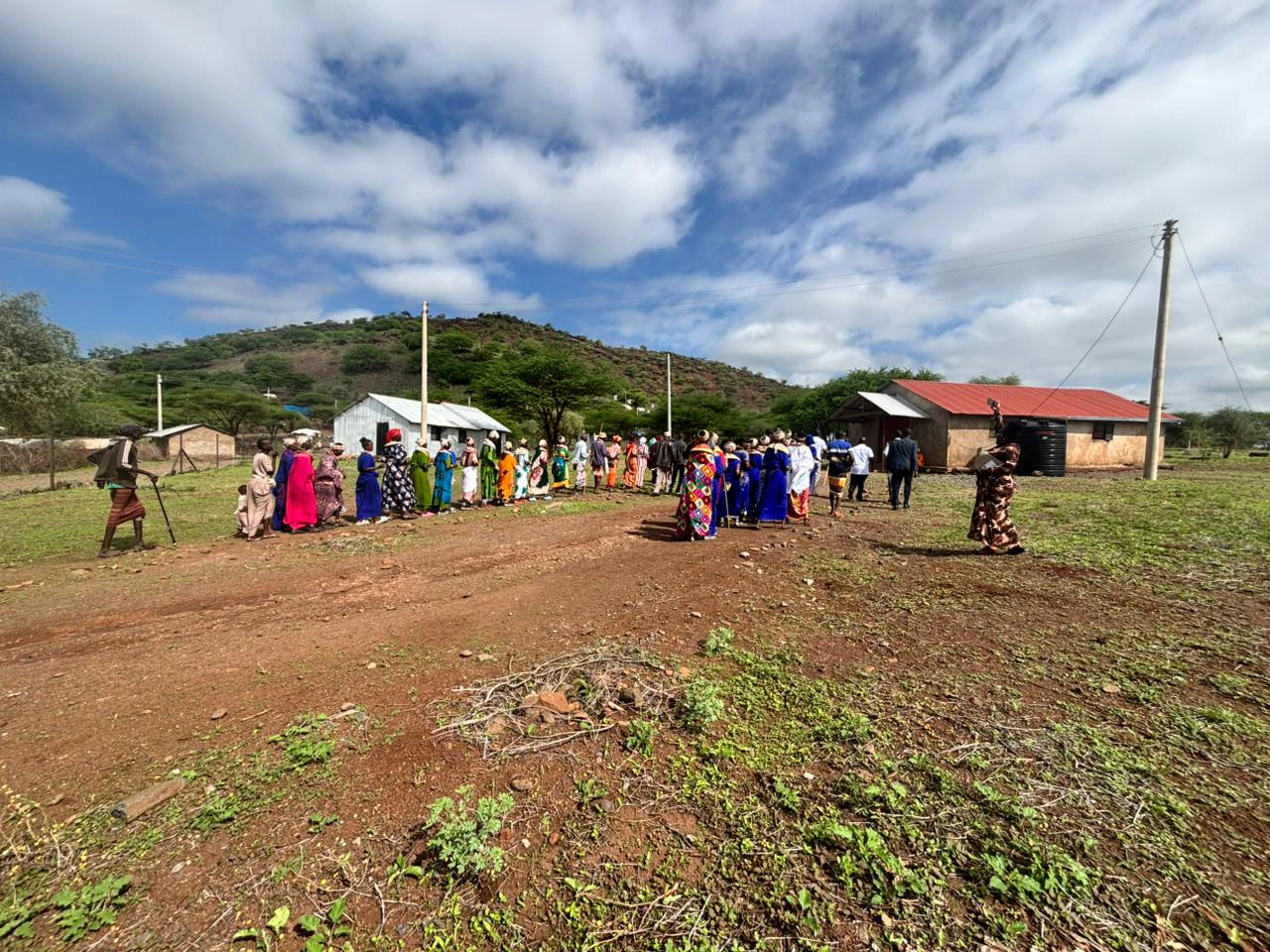
We help development and humanitarian organizations monitor progress, measure results, and use evidence to improve their programmes. Our experience includes designing M&E systems and conducting independent evaluations in different sectors and environments.
We use both quantitative and qualitative research methods to collect and analyze important performance data. This may involve cross-sectional or long-term studies, as well as experimental or quasi-experimental approaches. We turn the findings into practical lessons that support learning, strengthen knowledge, and improve programme performance.